
In Western Washington, we wait a long time for warm, sunny weather, so when it finally arrives, we make the most of it. The lakes and rivers around the South Sound fill up as soon as the forecast turns nice, and trips to the coast don’t stay quiet for long.
After a weekend on the water, it’s not unusual to notice your ears feel a little different than they did before you headed out. Sometimes that feeling disappears on its own, and sometimes it turns out to be swimmer’s ear.

A hearing test measures more than how well you hear. It also gives us a close look inside your ear canal, making it possible to spot changes that aren’t obvious from the outside.

That’s one reason swimmer’s ear is sometimes found during a routine appointment, even when the visit was scheduled for something completely different.

What Causes Swimmer’s Ear and How It Develops

Water left behind in the ear canal changes more than the way your ear feels. The skin lining the canal absorbs that moisture and becomes softer than usual.

Once that happens, even a small scrape from a fingernail, cotton swab, earbud or hearing aid creates an opening where bacteria can multiply. That’s why swimmer’s ear often develops after swimming, even when the water looked clean.

Swimming isn’t the only situation that leaves moisture behind. Sweat, humid weather and skin conditions like eczema can all affect the ear canal in similar ways.

Earwax is part of the ear’s natural protection, so removing it too often leaves less of that barrier behind. When those factors come together, bacteria have an easier time growing inside the ear canal.

What are Symptoms of Swimmer’s Ear

Swimmer’s ear usually starts with mild changes before the discomfort becomes more obvious. Common symptoms include:

Recognizing the Symptoms

Swimmer’s ear typically begins with mild irritation before escalating into distinct discomfort. Watch for these primary warning signs:

    • Acute pain when touching or gently pulling the outer ear.
    • Persistent itching deep within the ear canal.
    • A distinct sensation of fullness or blockage.
    • Visible redness or swelling at the canal opening.
    • Clear, yellow or cloudy fluid drainage.
    • Temporary, muffled hearing caused by swelling or fluid accumulation.

Reasons Clinics Look for Swimmer’s Ear Before Hearing Checks

It also lets your audiologist separate temporary changes related to swimmer’s ear from hearing changes that may have been present beforehand.

Starting with an examination of the ear canal gives the rest of the appointment more context because the hearing test is only one part of evaluating your ears.

Using Otoscopes to Examine the Ear Canal for Signs of Infection

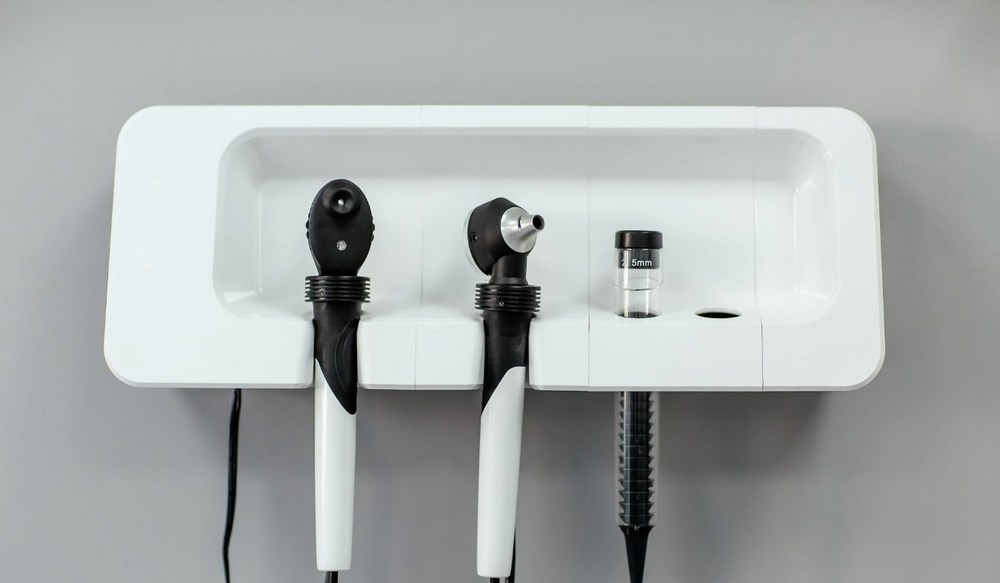
An otoscope is one of the first tools an audiologist uses during a hearing appointment. Its light and magnified lens let the audiologist examine the ear canal, check for earwax and view the eardrum.

That examination also shows whether the skin inside the ear looks healthy or whether redness, swelling or drainage is present. Swimmer’s ear often changes the appearance of the ear canal before it affect your hearing test.

Looking inside the ear first allows the audiologist to compare those visible changes with the hearing results that follow. Using both parts of the examination together gives a better understanding of what is happening inside the ear.

What Happens If Swimmer’s Ear is Found Before or During Testing

Finding swimmer’s ear during a hearing appointment doesn’t always mean the visit ends right away. Your audiologist first looks at how much of the ear canal is affected and whether the infection is likely to influence your hearing test.

In some cases, the examination continues. In others, your hearing test is postponed until the ear canal has recovered so the results reflect your hearing rather than temporary changes from the infection.

When testing is delayed, your audiologist explains what was found and what happens next. Once the ear has healed, a hearing evaluation picks up where it left off.

Starting with a healthy ear canal gives your hearing test a starting point and allows the results to reflect your hearing without the added effect of swelling or drainage.

How Swimmer’s Ear Can Affect the Results of Hearing Tests

A hearing test reflects the condition of your ears on the day it’s performed. When swimmer’s ear is present, it can impact the results in several ways:

    • Swelling in the ear canal may reduce the amount of sound reaching the eardrum during testing.
    • Temporary changes from the infection can make hearing thresholds appear different than they normally are.
    • Results may reflect the infection as well as your hearing, making them harder to compare with previous tests.
    • Certain parts of the evaluation may be postponed until the ear canal has recovered.
    • A follow-up hearing test may be recommended after the infection has cleared to compare the results with those of a healthy ear.

Talking With Your Audiologist About Any Symptoms You Notice

Let your audiologist know if it stays in one ear or both and whether it changes throughout the day. Details that seem unrelated at home often match what your audiologist sees during the examination.

What you’ve noticed before the appointment can separate recent changes from problems that have been present much longer.

Mentioning ear fullness, itching, drainage or discomfort gives your audiologist more information alongside the examination. Seeing the examination alongside your observations often explains more than either one alone.

Common Treatments for Swimmer’s Ear Used in Clinics

Treatment usually starts with prescription ear drops that target the infection and reduce swelling inside the ear canal.

The type of drops depends on the condition of the ear and whether the eardrum is intact. In many cases, they’re used for several days to allow the irritated skin inside the ear canal to recover while the infection clears.

Some cases need more than ear drops alone. A gentle cleaning of the ear canal may be recommended to remove debris or drainage that has collected during the infection.

If swelling is severe enough to narrow the ear canal, a small ear wick may be placed to help the drops reach deeper into the infected area. Follow-up visits are often scheduled to check how the ear is healing and determine whether the infection has resolved.

Ways to Keep Your Ears Dry After Getting Treated for Swimmer’s Ear

Keeping your ears dry gives the ear canal time to recover after treatment. A few habits can reduce the amount of moisture that stays in the ear, including:

    • Gently dry the outside of your ears with a clean towel after showering or washing your hair.
    • Tilt your head to each side to let trapped water drain out naturally.
    • Wait until your audiologist says ok before swimming or spending long periods in the water.
    • Wear a shower cap if your audiologist recommends keeping water out of the ear completely.
    • Replace damp earbuds or earplugs with clean, dry ones before using them again.
    • Avoid inserting cotton swabs or other objects into the ear while it heals.

When You Should Plan Follow-Up Visits with Your Audiologist

This allows your audiologist to see how the ear canal has changed and whether the infection has cleared. That timing is based on the condition of your ear rather than a set schedule.

A follow-up visit often answers questions that couldn’t be answered during the first appointment. By then, swelling may have gone down and the ear canal may look very different than it did a few days earlier.

If your hearing test was delayed or only partly completed, that visit is often when the remaining testing takes place. Comparing both appointments also shows how the ear has changed since swimmer’s ear was first identified.

Protecting Your Ears for Better Hearing Health

A hearing appointment sometimes answers questions you didn’t know you had when you scheduled it. What feels like a temporary change after a weekend on the water often has an explanation.

Looking inside the ear is usually the first step in finding it. A comprehensive evaluation reveals more than changes in your hearing.

Whether you’re coming in because your hearing seems different or your ear still hasn’t felt quite right since your last day on the water. We’ll take the time to examine your ears carefully.

Every appointment starts with understanding what brought you in. That’s how we approach every appointment at Complete Hearing & Balance. If you’re in Chehalis, Lacey or Olympia, WA, you can call us at (360) 704-7900 to schedule a visit.